"I Am the Way, the Truth, and the Life" in John 14:6: Meaning, the Upper Room, and Thomas's Question
It is the last night.
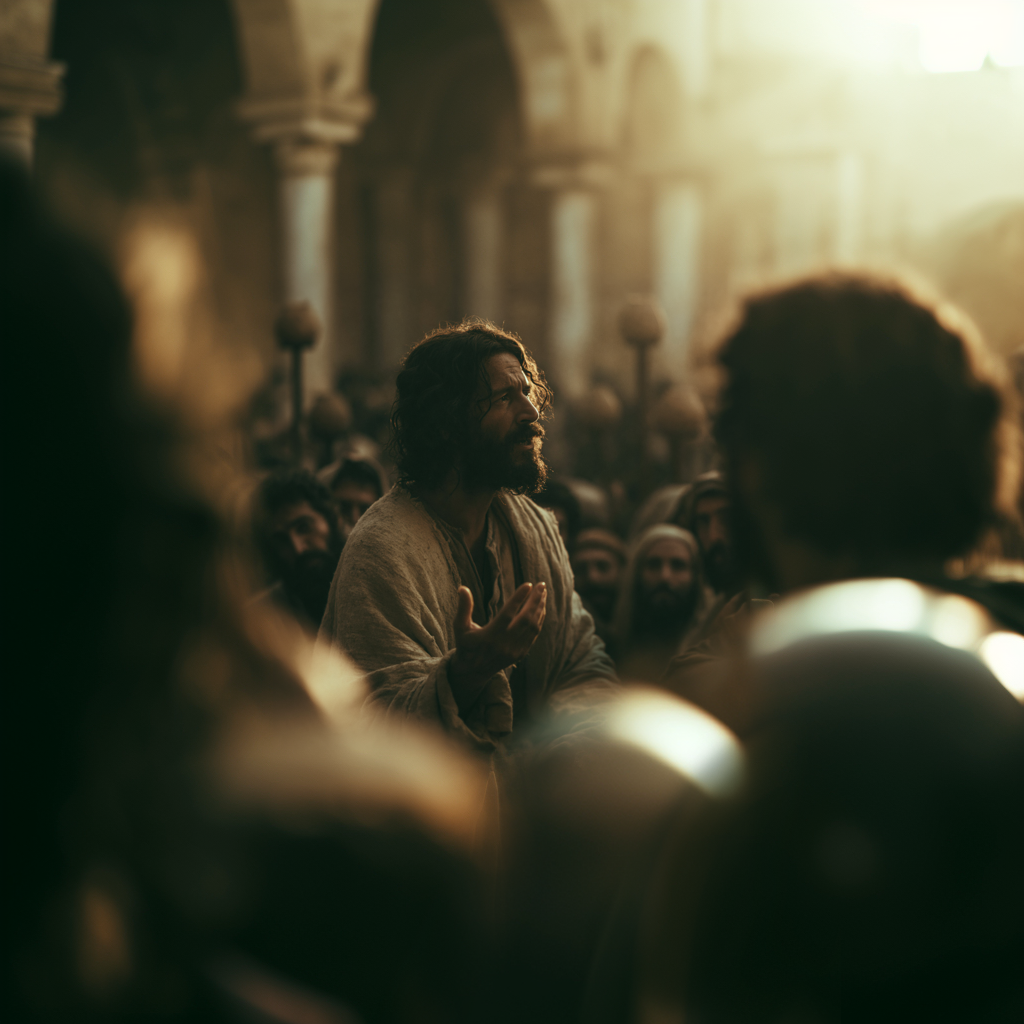
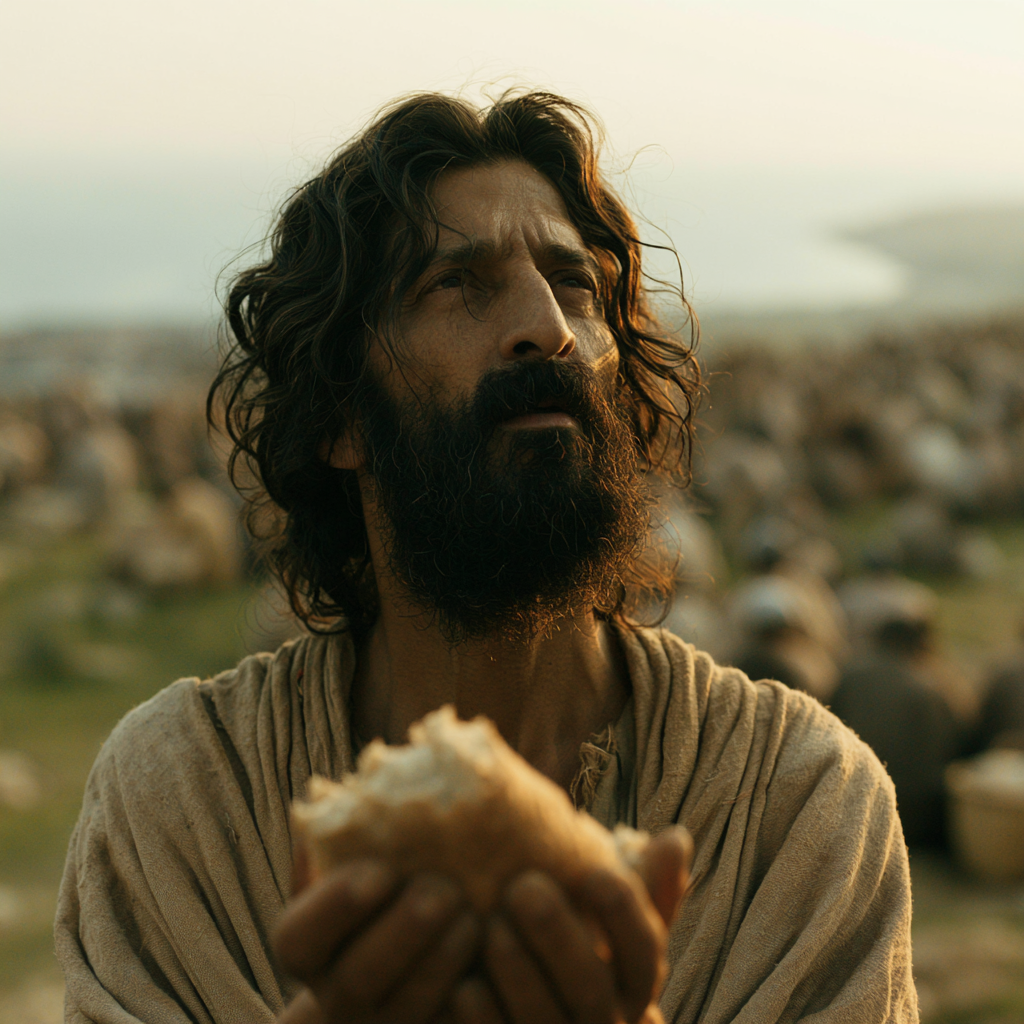
The Passover meal is underway in the upper room. Judas has taken the bread and gone out into the dark. Jesus has washed His disciples’ feet, told them that one of them will betray Him, and given them a new commandment: “Love one another as I have loved you.”
And now he is saying something that none of them are ready to hear.
He is leaving.
“Do not let your hearts be troubled,” He says. “You have faith in God; have faith also in me. In my Father’s house, there are many dwelling places. I am going to prepare a place for you. And if I go and prepare a place for you, I will come back again and take you to myself, so that where I am, you also may be. Where I am going, you know the way.”
Thomas says what the others are thinking: “Master, we do not know where you are going. How can we know the way?”
And Jesus answers with the most quoted sentence in the Gospel of John.
“I am the way and the truth and the life. No one comes to the Father except through me.”
The Setting of John 14: The Upper Room and the Farewell Discourse
The Farewell Discourse runs from chapter thirteen through chapter seventeen, five chapters of the most intimate words Jesus speaks in any Gospel. He is talking to eleven frightened men in a borrowed room, knowing that within hours He will be arrested, tried, and crucified. What He gives them in this room is not a battle plan or a theological treatise. It is the presence of a friend who knows He is leaving and wants them to understand what His departure means before it happens.
The context of this I AM statement is a question about geography. Thomas wants to know where Jesus is going. The disciples have followed Him through Galilee and Judea, and the idea of Him going somewhere they cannot follow along is disorienting in an almost physical way. “Tell us the way,” Thomas says.
And Jesus redirects the question entirely.
You are asking about a road. I am giving you a person.
Not: Here are the directions. Not: follow these steps in this order. I am the way. The path to the Father is not a set of instructions or a moral code or a sufficient accumulation of righteous acts. It is a relationship with a person. The way is Him.
Philip then asks to be shown the Father — “If you show us the Father, that will be enough.”
And Jesus says something that should reframe every reading of this passage: “Whoever has seen me has seen the Father.”
The way to the Father and the face of the Father are the same thing. To know Jesus is to know where you are going and what you will find when you get there.
The Threefold Claim: Way, Truth, and Life in Johannine Theology
Three claims in one sentence. They are not three separate assertions listed together. They are three facets of a single identity, each illuminating the others.
The way. In the Old Testament, the way is one of the primary images for the life of faithfulness — the path of righteousness, the road that leads to God. The Psalms speak of the way of the Lord and walking in His statutes. The prophet Isaiah spoke of a highway that would be prepared in the desert, a straight road through the wilderness for the return of God’s people. The earliest followers of Jesus, before they were called Christians, were called followers of the Way. Jesus takes this image and says, "I am it." Not the map. The road itself.
The truth. Pilate will ask about truth in chapter eighteen, standing in front of the one who has just claimed to be it. In John’s Gospel, truth is not primarily a philosophical category — it is a quality of God, the reliability and faithfulness of the one who keeps His promises. To say I am the truth is to say that in Jesus, what God has always said about Himself becomes visible and available. He is the word of God made flesh: the truth that was always spoken, now present in person.
The life. We have heard this before in John’s Gospel. In Him was life, and the life was the light of men. I am the bread of life. I am the resurrection and the life. The life Jesus gives is not merely biological existence extended indefinitely. It is the life of God, the eternal life that the Gospel promises to everyone who believes, the life that begins now and that death cannot end.
Together: the way that leads to the Father, the truth that the Father has always been saying, the life that the Father gives. Three words for the same person. A person who is Himself the path, the destination, and the energy that makes the journey possible.
No one comes to the Father except through me.
This is the sentence that has generated more argument than almost any other in the New Testament. It is exclusive and absolute, and John does not soften it. The Catholic Church has consistently read it not as a statement of condemnation but as a statement of mediation: there is one mediator between God and the human race, and He is the one speaking. The door is not closed. He is the door, and He is open.
Liturgical Legacy: Catholic Tradition, Christian Ethics, and "Followers of the Way"
The early Christian community in Jerusalem was known as followers of the Way before they were called Christians. The name appears in the Acts of the Apostles, where it is used by both believers and their opponents. It suggests that the community's earliest self-understanding was organized around movement — following a path, walking in a direction, going somewhere.
That movement is liturgically encoded in the structure of the Mass. The faithful gather, they hear the word of God, they approach the table, they receive the Eucharist, and they are sent. The dismissal at the end of Mass — go in peace, glorifying the Lord by your life — is a sending back out into the world as people who have encountered the way, the truth, and the life and are now carrying that encounter into whatever comes next.
The Catechism of the Catholic Church opens its section on the moral life with an explicit reference to John 14:6. Christian ethics, in the Catholic tradition, is not primarily a system of rules to be followed. It is a response to a person to be followed. The way is not a code. The way is Christ. Moral life in the Catholic tradition is the life of someone learning to walk in His footsteps, shaped by His truth, animated by His life.
The Church’s understanding of Jesus as the unique mediator — the one way to the Father — is rooted in this passage and in the parallel text in First Timothy: “There is one God, one mediator between God and the human race, Christ Jesus, himself human, who gave himself as ransom for all.”
The exclusivity is not cruelty. It is the claim that God, in His mercy, has provided one reliable path through the wilderness, one burning pillar to follow in the dark, one person who knows the way because He is the way.
John Henry Newman, the nineteenth-century English convert and Cardinal of the Church, wrote that to be deep in history is to cease to be Protestant. He meant that the deeper one goes into the tradition of the Church, the more clearly one finds this claim at the center: not a philosophy, not a moral system, not a set of practices. A person. The way, the truth, and the life, in whom the whole of the Christian life is summed up.
The Choice of Faith: Relationship Over Information in John 14:6
Thomas asks a question about geography and receives an answer about identity. Philip asks to see the Father and is told he has already seen Him. The disciples want information, and Jesus gives them Himself.
This is the pattern of the whole Gospel. The crowd wants bread, and Jesus offers His flesh. The Pharisees want a sign, and Jesus speaks of His resurrection. Nicodemus wants a theological conversation, and Jesus tells him he must be born again. The disciples want a road map for where Jesus is going, and Jesus says: “I am the road.”
The question the passage leaves is whether the person asking is willing to receive the kind of answer Jesus gives. It is always a more demanding answer than the one being sought. It asks not for intellectual assent to a proposition but for a relationship with a person. Not: Do you understand the way? But will you follow?
It is the last night. The room is quiet. The disciples do not yet understand what is about to happen. And Jesus, knowing all of it, gives them not a strategy but a promise.
“Do not let your hearts be troubled. You have faith in God; have faith also in me.”
The way is not a road you navigate alone. It is a person who walks with you. The truth is not a system you master. It is a person you encounter. Life is not a reward at the end of the journey. It is the presence of the one who is already there, who has gone ahead to prepare a place, who is coming back to take you there Himself.
The disciples will scatter before morning. But the way will hold.