The Gospel of John
Before anything else, there was a word.
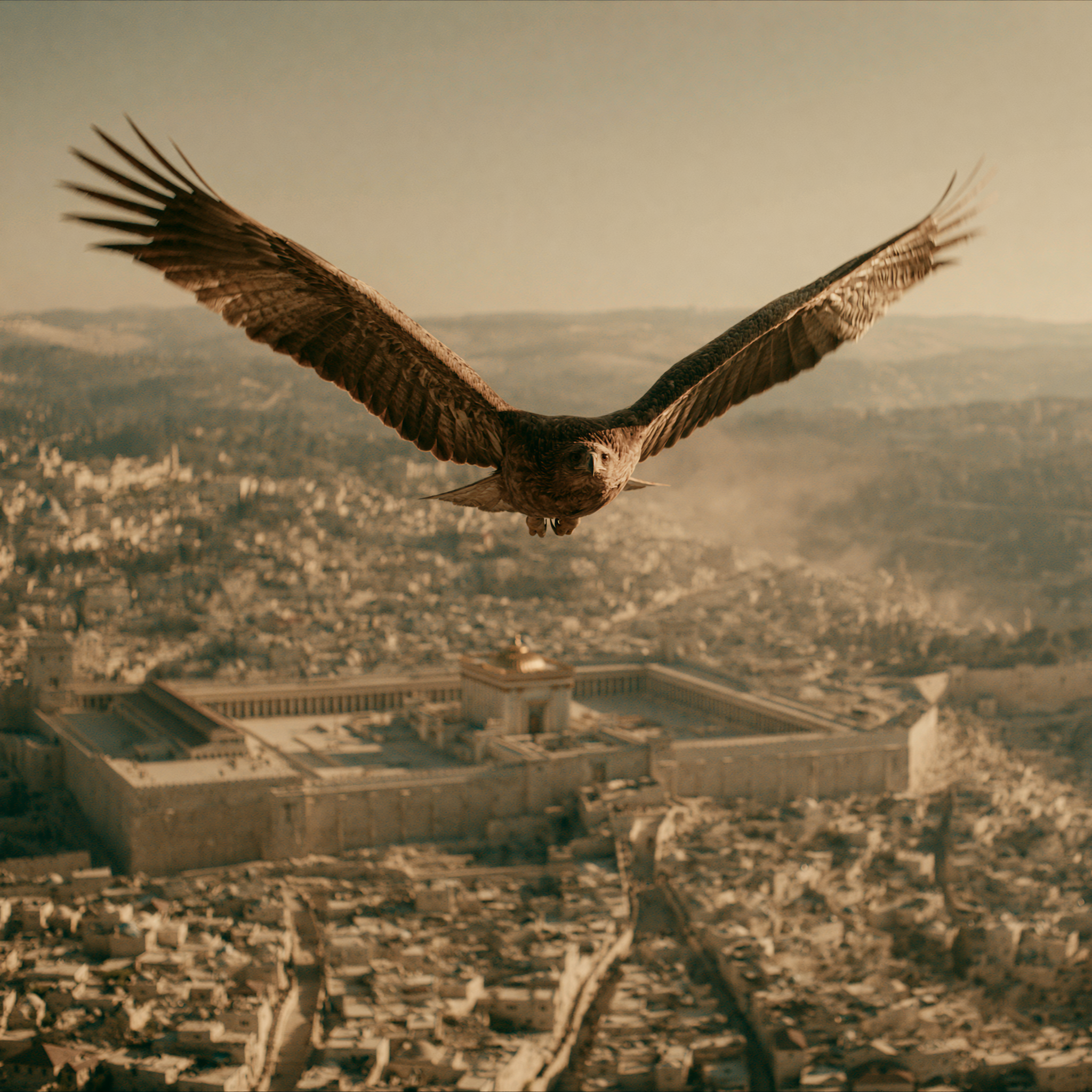
John’s Gospel does not begin at the Jordan River or in a stable in Bethlehem. It begins before the universe existed — with the eternal Word of God, through whom all things were made, who became flesh and pitched a tent among us. It is the most theologically ambitious document in the New Testament, and it has been shaping the faith, the liturgy, and the prayer of the Church since the day it was written.

The Gospel According to John
OVERVIEW
What you will find here is a complete library of content on the fourth Gospel — from a full narrative retelling of the story to close readings of individual verses, from portraits of the people who encountered Jesus to profiles of the places where those encounters happened.
Start Here
New to the Gospel of John? These two pieces will orient you.
-
Who wrote it, when, why it differs from the other three Gospels, and what the Church has made of it over two thousand years.
-
A narrative retelling of the entire fourth Gospel — cinematic, scene by scene, from the Prologue to the beach at dawn. Read this if you want to experience the Gospel before studying it.
The People of John’s Gospel
WHO
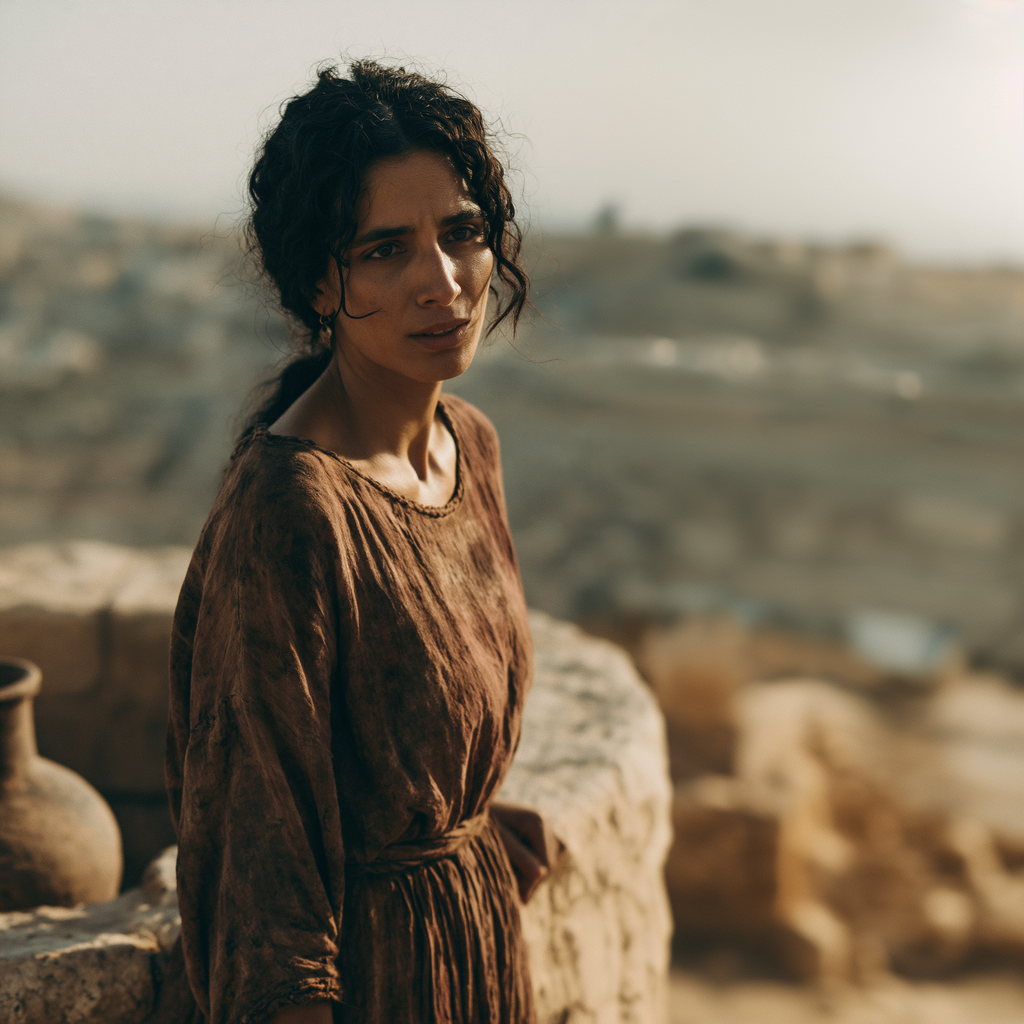
John’s Gospel is built around encounters — conversations in the night, confrontations in the Temple courts, moments of recognition at a garden tomb. These profiles explore the people Jesus meets and what those meetings reveal about Him and about them.
-
![Jesus in the Gospel of John]()
Jesus in the Gospel of John
The eternal Word made flesh. His titles, His I AM statements, His key scenes from Cana to the beach at dawn. The center of everything.
-
![Mary Magdalene]()
Mary Magdalene
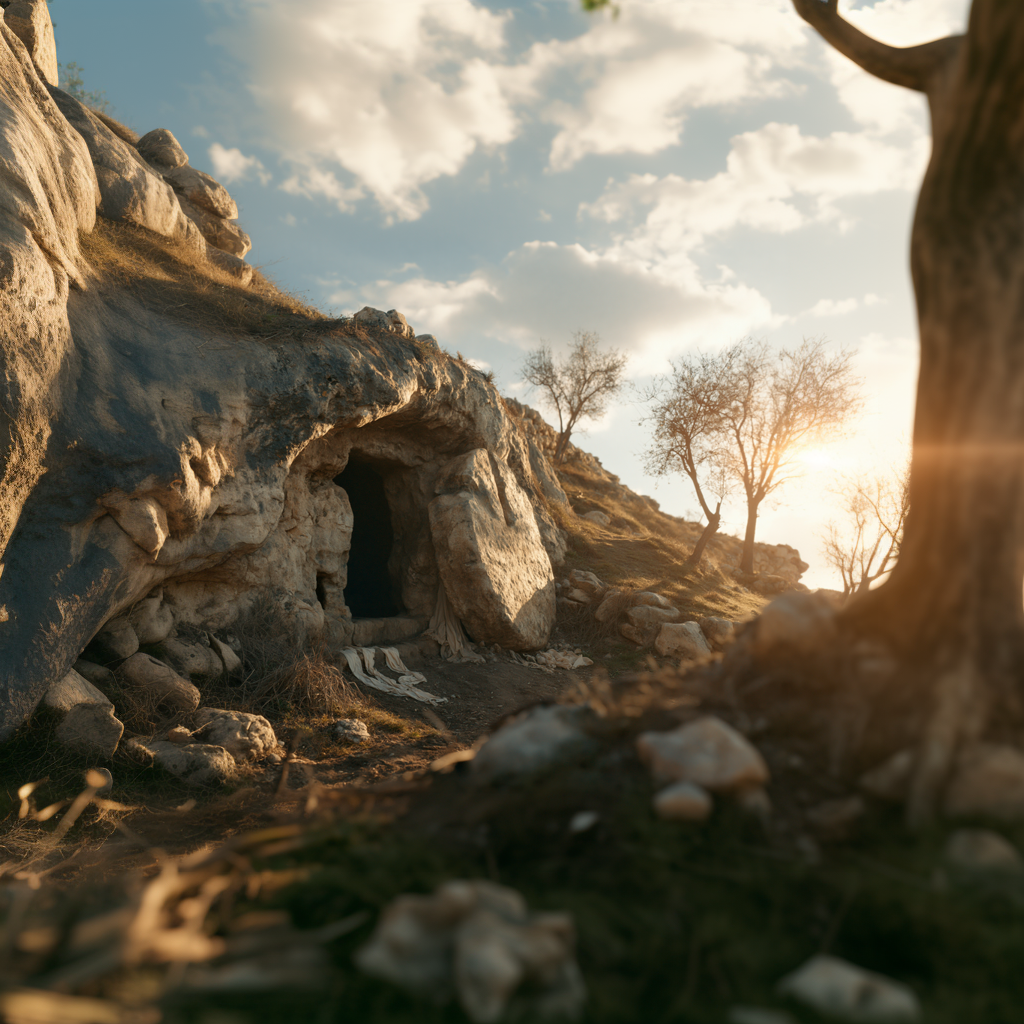
She stood at the cross when the men fled. She came to the tomb before dawn. She heard her name spoken in the dark and became the first witness to the resurrection. The Apostle to the Apostles.
-
![Nicodemus]()
Nicodemus
A Pharisee and ruler of the Jews who came to Jesus in the night with questions he was almost afraid to ask. He moves, across three appearances, from darkness to light — slowly, at real cost.
-
![Pontius Pilate]()
Pontius Pilate
The most powerful man in the room, who could not do what he wanted to do. He asked what is truth and walked away without waiting for the answer. His name is in the Creed.
-
![John the Baptist]()
John the Baptist
He came into the Gospel announcing he was not the point. A voice, not the Word. A finger pointing at the light. He must increase. I must decrease.
-
![Martha & Mary of Bethany]()
Martha & Mary of Bethany
Two sisters, two temperaments, one household that Jesus loved. Martha makes the fullest confession of faith in the Gospel before the Passion. Mary pours a liter of costly perfume on His feet six days before the cross.
-
![Thomas]()
Thomas
History calls him the doubter. John gives him four scenes, including the highest Christological confession in any of the Gospels. My Lord and my God.
-
![The Beloved Disciple]()
The Beloved Disciple
He never tells you his name. He introduces himself as the disciple whom Jesus loved — and in doing so opens that description to every reader who has ever followed.

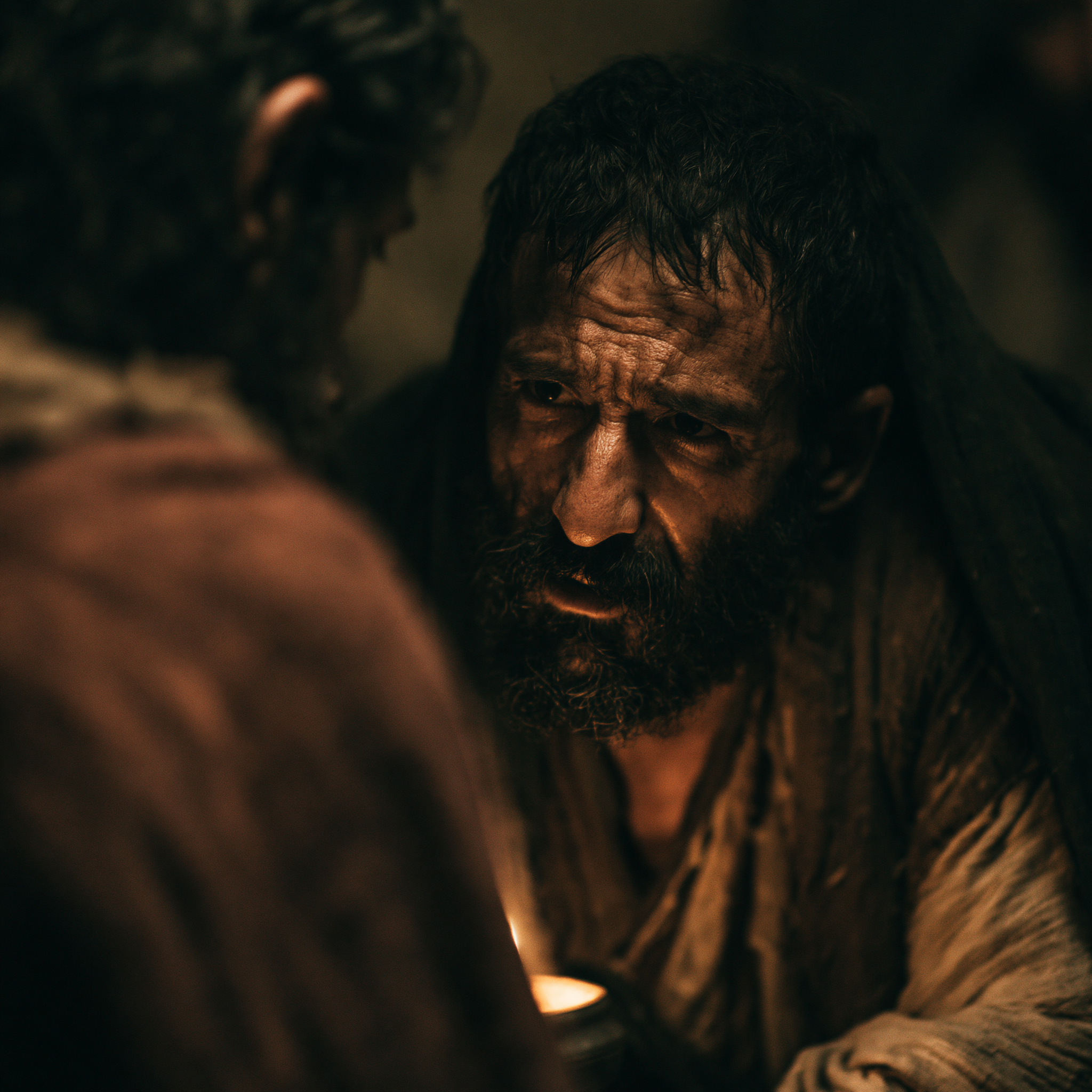


The Seven I AM Statements
I AM
Seven times in John’s Gospel, Jesus uses the divine name — I AM — to describe Himself. Together, they form the most complete self-portrait He gives in any of the four Gospels. Each one is its own world.
-
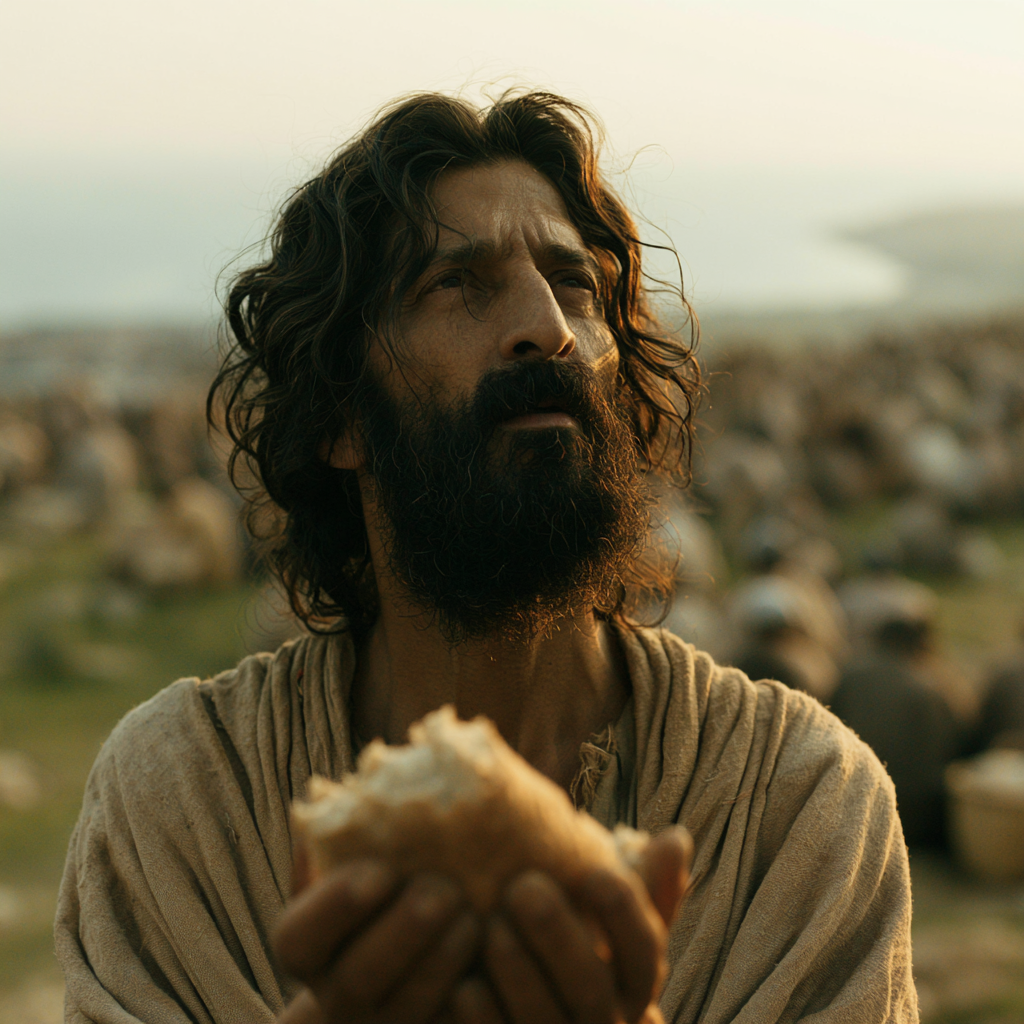
Spoken the morning after the feeding of five thousand, to a crowd that wanted more bread. He offered them Himself instead. The Eucharist begins here.
-
Spoken in the Temple treasury after the great lamps of the Feast of Tabernacles had gone dark. The light that those lamps pointed toward announces itself.
-
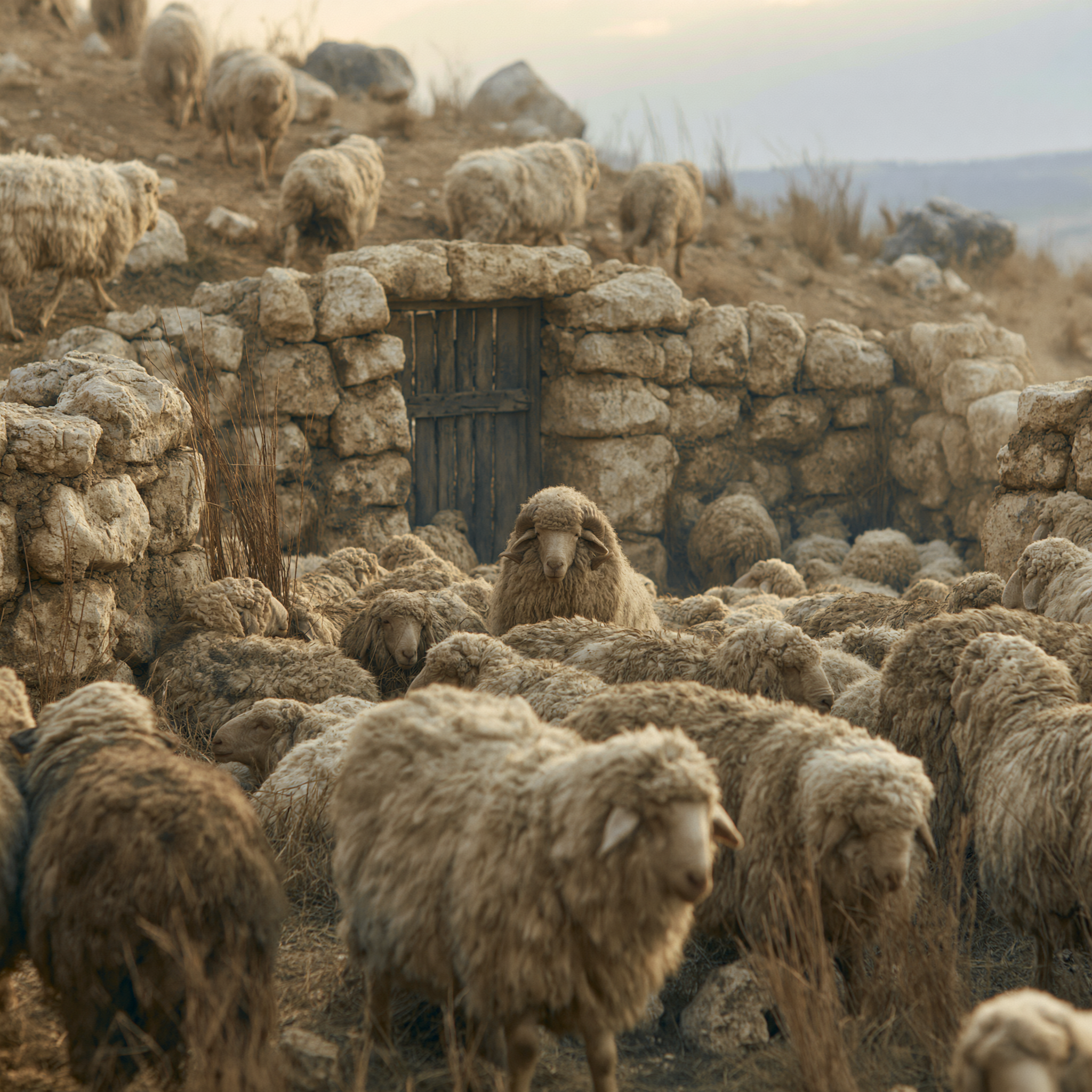
Not one gate among several. The gate. The only way in — and the only way to the freedom and safety the sheepfold offers.
-
He does not run when the wolf comes. He lays down His life for the sheep. Freely. Of His own accord. The oldest image of Jesus in Christian art.
-
Said to Martha on a road outside Bethany, four days after her brother died. Then He proved it. Do you believe this?
-
Spoken in the upper room on the last night. Thomas asked where He was going. Jesus answered with who He is. The most quoted I AM statement in the Gospel.
-
The last and most intimate of the seven. Not what He provides but what He and His followers are to each other. Remain in me. Apart from me you can do nothing.
The Places of John’s Gospel
WHERE
In John’s Gospel, places carry meaning. The well at noon, the pool of waiting, the borrowed room, the hill outside the city walls — each location is chosen deliberately, and each one becomes the stage for something that could not have happened anywhere else.
-
![Cana]()
Cana
A small town in Galilee where the wine ran out at a wedding. Water became wine. The first sign. Everything begins in Cana.
-
![Bethany]()
Bethany
Two miles from Jerusalem. The household Jesus loved. Where Lazarus walked out of a sealed tomb four days dead, and where the authorities decided Jesus must die.
-
![The Pool of Bethesda]()
The Pool of Bethesda
A pool surrounded by five porticoes where the sick gathered and waited. A man had been waiting thirty-eight years. Jesus asked him: do you want to be well?
-
![The Upper Room]()
The Upper Room
A borrowed room in Jerusalem where Jesus washed His disciples’ feet, gave the new commandment, promised the Holy Spirit, and prayed for everyone who would ever believe. Five chapters. The last night.
-
![Golgotha]()
Golgotha
The place of the Skull. Outside the city walls. Where the Roman Empire made its point. Where the Lamb of God was lifted up and said: it is finished.


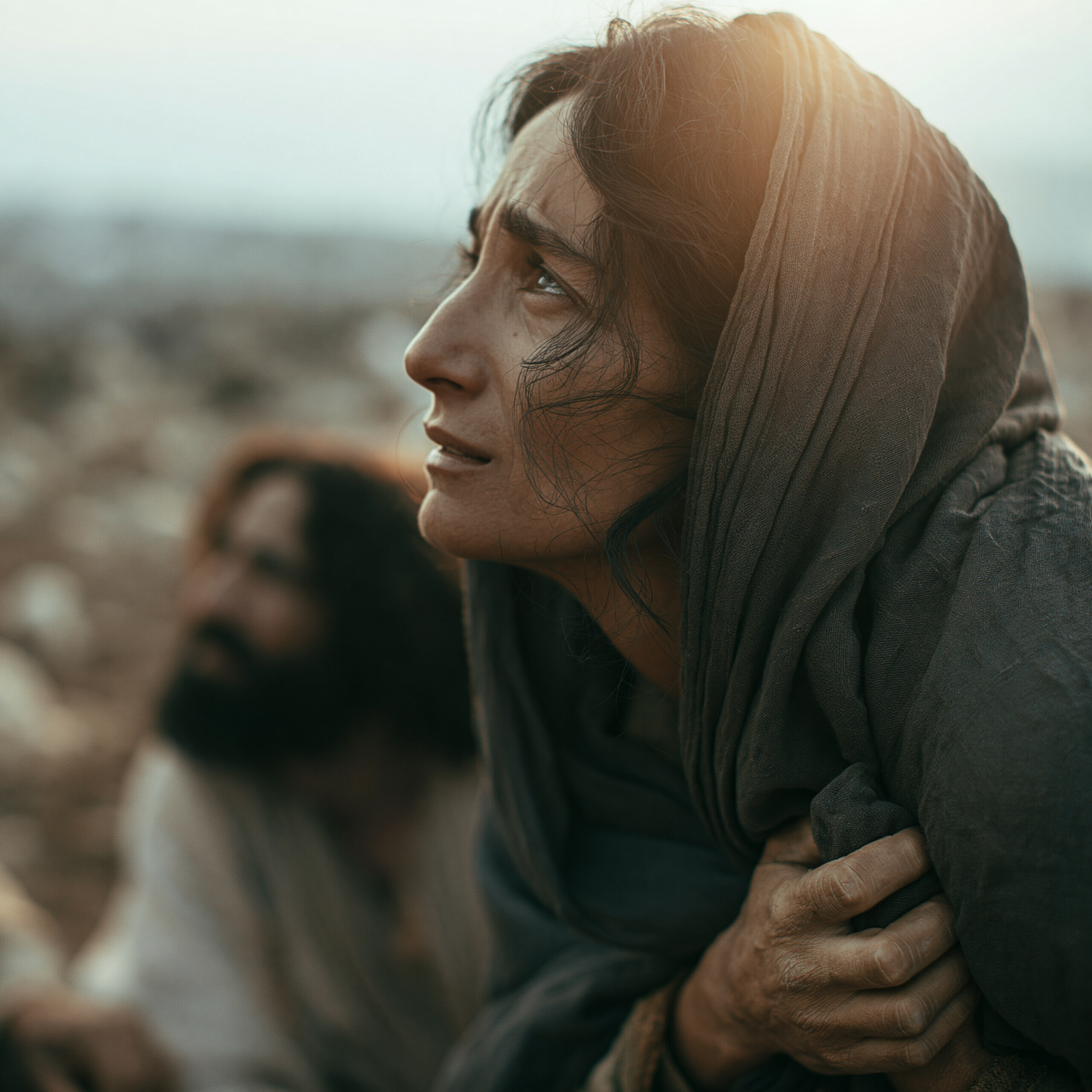

Key Passages
FOUNDATIONS
Three passages that reward the closest reading — the opening of the Gospel, its most famous verse, and the longest prayer Jesus ever prayed.
-
Eighteen verses that contain more compressed theology than most books manage in their entirety. In the beginning was the Word. The frame through which everything else in the Gospel must be read.
-
The most recognized verse in the Bible — and the least read in context. Thirty words that contain the whole of the Gospel’s argument. Word by word.
-
The longest prayer of Jesus in any Gospel. He prays for Himself, for His disciples, and for everyone who will ever believe through their word. He prays for us. The prayer has not yet been fully answered.

Questions Worth Asking
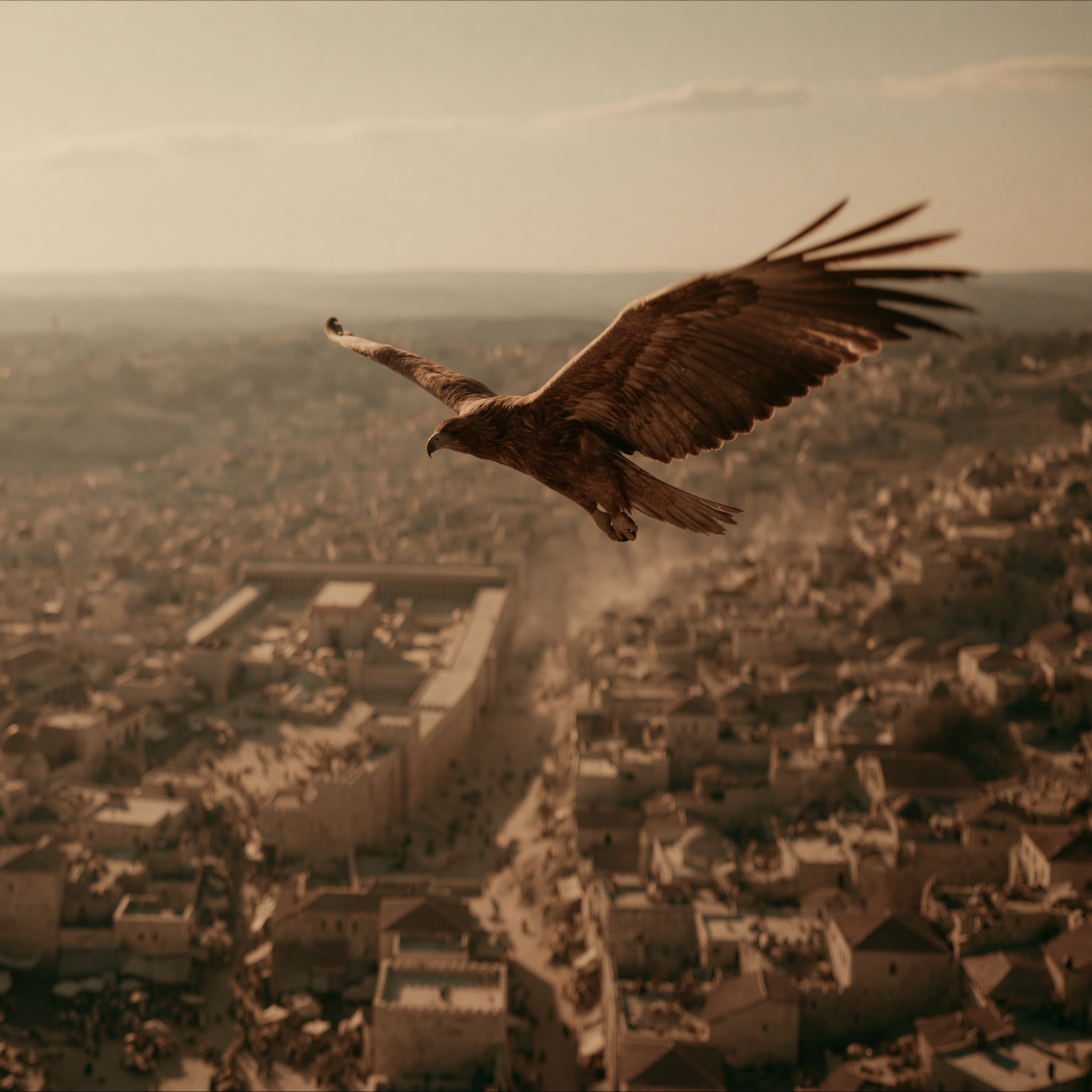
QA
The questions people actually ask about John’s Gospel — answered directly, with the depth they deserve.
-
John wrote last, chose deliberately, and is making a theological argument the others do not make in the same way. Five specific differences explained.
-
Because he is writing a new Genesis. The opening words of John’s Gospel are identical to the opening words of Genesis in Greek — and that is not a coincidence.
-
He knew He was about to raise Lazarus. He wept anyway. What the tears reveal about the humanity of Jesus, the reality of death, and the nature of the God who enters grief before He ends it.
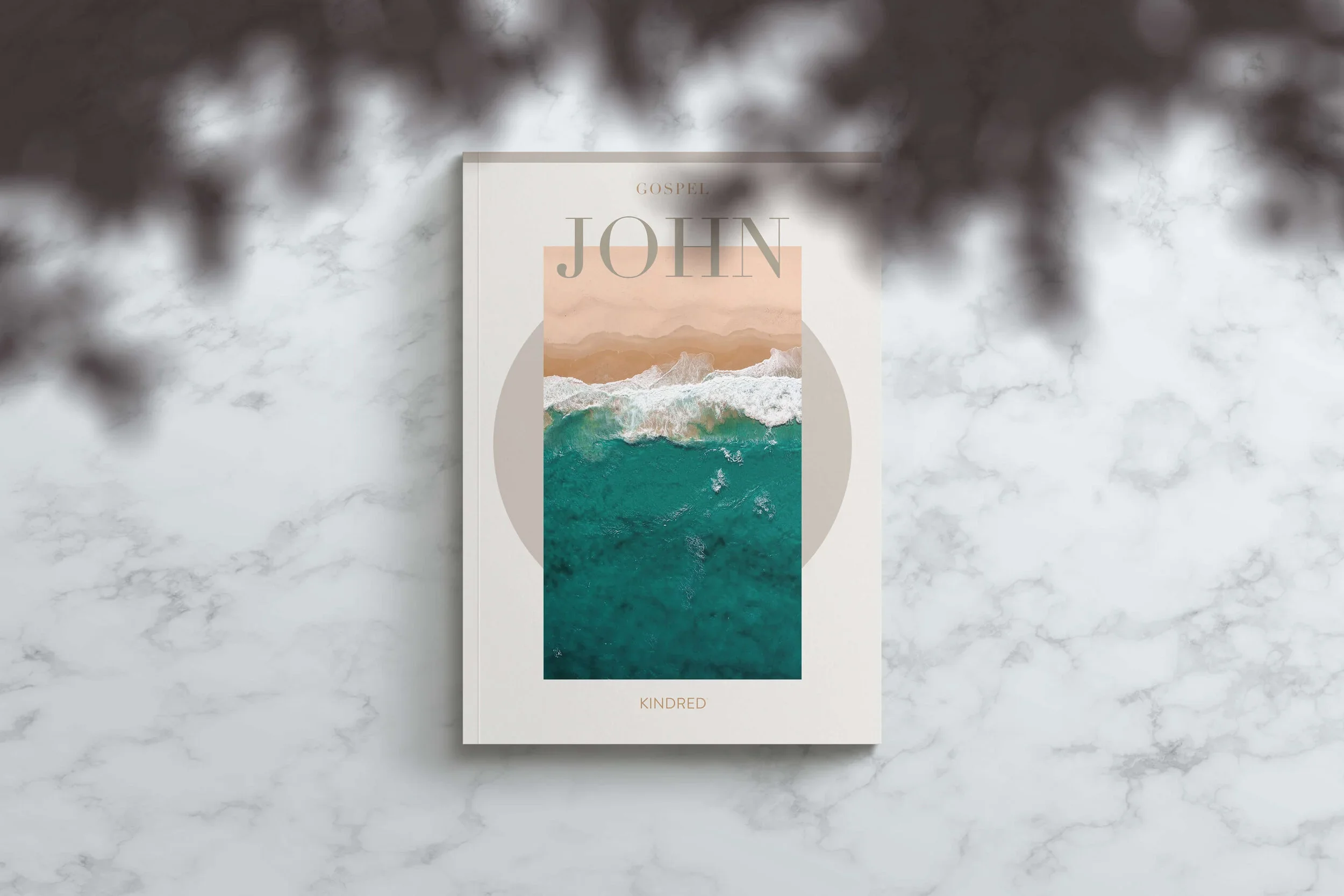
Featured Sponsor
KINDRED Bibles
The Gospel According to John
A beautifully crafted standalone edition giving every sign, discourse, and moment of Scripture room to be encountered on its own.

Everything here is offered freely, made possible by the generosity of those who support this work.